Compare Local Contractors for Interior Home Improvements
Compare local contractors to define project scope, verify experience, and establish clear expectations for your interior home improvement.
Interior home improvement projects encompass a wide range of work aimed at enhancing the functionality, comfort, and aesthetic appeal of indoor spaces. Common tasks include renovating kitchens and bathrooms, installing new flooring, updating lighting fixtures, and adding custom storage solutions. These projects often involve multiple trades and require careful planning to ensure that the finished space aligns with the property owner’s vision and needs. Clarifying the scope of work upfront helps establish a clear understanding of what will be done, which can prevent misunderstandings and ensure that all parties are aligned on project expectations.
Defining the scope of an interior improvement project is a critical step that influences the success and clarity of the entire process. A well-documented scope outlines specific tasks, materials, finishes, and design preferences, providing a reference point for both property owners and contractors. This detailed description helps prevent scope creep-where additional work is added without proper agreement-and ensures that service providers have a clear understanding of the work involved. Clear scope definitions also facilitate effective communication, enable accurate comparisons between contractors, and support the creation of detailed proposals or estimates.
When comparing local contractors for interior home improvements, property owners should consider several practical factors. Examining each contractor’s experience with similar projects can provide insight into their expertise and familiarity with the work required. Reviewing their portfolio or references can reveal the quality of previous work, while verifying that they have the necessary skills to handle specific tasks ensures confidence in their capabilities. It’s also beneficial to discuss how each contractor plans to approach the project, including their process for defining scope, managing expectations, and communicating progress. Comparing these aspects helps property owners identify service providers who can meet their standards and deliver a successful interior improvement experience.
Compare local contractors by outlining your project priorities, verifying experience, and setting clear expectations in writing.
- Compare Contractors - review local service providers to find those best suited for your interior home improvement needs.
- Define Project Scope - clearly outline the work to ensure contractors understand the specific requirements.
- Verify Experience - assess each contractor’s background and past projects to ensure relevant expertise.
- Set Expectations in Writing - document project details and agreements to establish clear understanding with service providers.
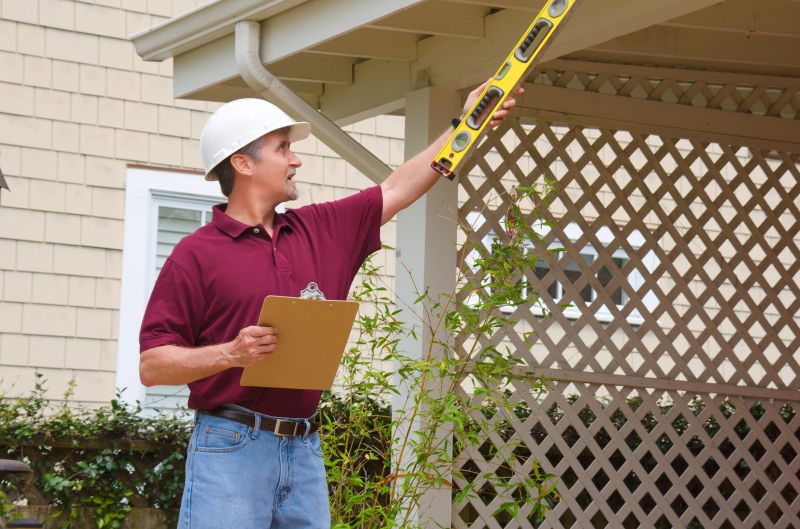
Clearly describe your interior home improvement project to effectively compare service providers, verify experience, and set expectations in writing.
- Verify the experience and reputation of local contractors specializing in interior home improvements. - Look for service providers with a proven track record in completing similar projects to ensure quality work.
- Define the scope of work clearly in writing before starting the project. - Ensure all project details, materials, and expectations are documented to prevent misunderstandings.
- Compare multiple local contractors to assess their expertise and approach to interior improvements. - Gathering quotes and project descriptions helps identify the most suitable service providers.
- Check references or reviews to gauge previous clients’ experiences with local contractors. - Feedback from past customers can provide insight into reliability and workmanship.
- Ensure all project details, including materials and finishes, are outlined in a written agreement. - A comprehensive contract helps set clear expectations and protects both parties.
- Discuss and agree on project milestones and communication methods with local service providers. - Establishing these details upfront promotes transparency and smooth progress.
Compare local contractors, clarify project scope, verify experience, and document expectations to ensure a successful interior upgrade.

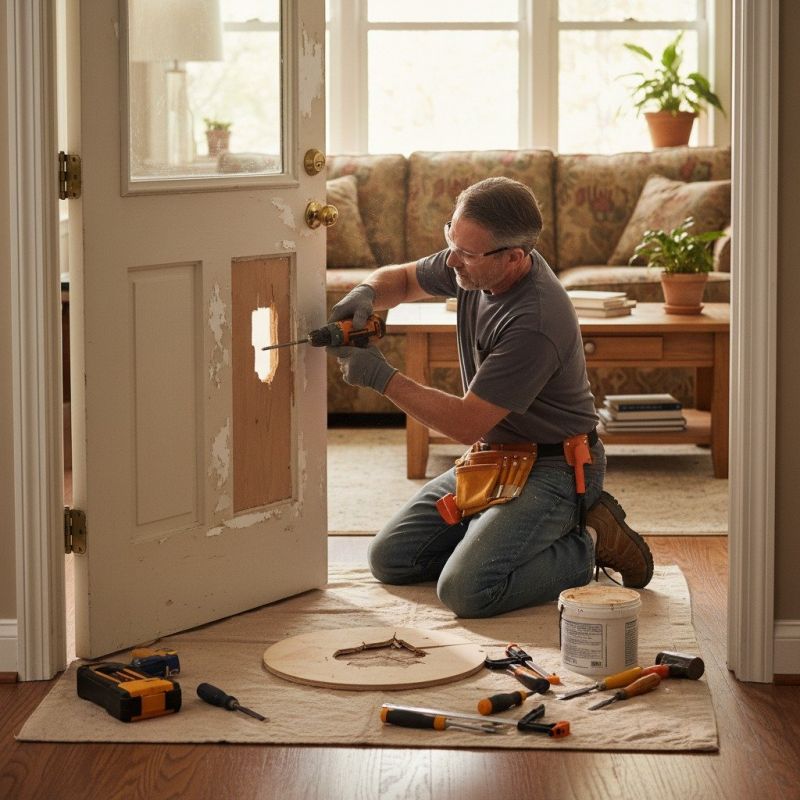


Learn how to compare interior home improvement contractors by defining scope, verifying experience, and maintaining consistent expectations.
- Scope Definition - Clearly outline the specific interior improvements needed to guide contractor selection.
- Experience Verification - Confirm that local contractors have relevant experience with similar interior projects.
- Material and Finish Choices - Specify preferred materials, finishes, and design styles to ensure alignment with expectations.
- Work Area and Access - Identify the areas of the home involved and any access considerations for service providers.
- Project Expectations - Document the desired quality standards, completion criteria, and any special requirements in writing.
When evaluating contractors for interior home improvement projects, it’s important to consider their experience with similar types of work. Homeowners should inquire about the scope of projects they have completed in the past to ensure familiarity with the specific tasks involved, whether it's a kitchen remodel, bathroom upgrade, or basement finishing. Contractors with a proven track record in comparable projects are more likely to understand the nuances and common challenges, helping to facilitate a smoother process and a more predictable outcome.
A clear, written scope of work is essential for setting expectations and ensuring all parties are aligned. Homeowners should seek service providers who can provide detailed descriptions of the work to be performed, including specific tasks, materials, and finishes. This documentation helps prevent misunderstandings and provides a reference point throughout the project. A well-defined scope also assists in establishing a shared understanding of the project’s boundaries and deliverables, laying a foundation for effective communication.
Verification basics are key when comparing contractors. Homeowners should verify that the service providers are reputable and have a history of completing projects successfully. This can involve checking references, reviewing portfolios of completed work, and confirming that the contractor has appropriate insurance coverage. These steps help establish confidence that the contractor is capable and committed to delivering quality results, reducing the risk of issues arising during or after the project.
When evaluating options, it’s important to focus on the contractor’s experience, clarity of scope, and verification of credentials rather than solely on price. Homeowners should ask detailed questions about each service provider’s background, project approach, and communication style. Comparing how thoroughly each contractor understands the project requirements and how clearly they articulate their process can reveal their professionalism and reliability. This approach ensures that the selection process is based on quality and compatibility, leading to a more successful interior home improvement experience.
Ask contractors to provide written scope details to ensure clear understanding and consistent project expectations.
- Experience and Portfolio - How can I verify the experience and past work of local contractors for interior home improvements?
- Scope of Work - What details should be included to clearly define the scope of the project with service providers?
- Comparison Criteria - What factors should be used to compare different local contractors beyond pricing?
- Communication and Expectations - How can I ensure expectations are clearly documented and understood by all parties?
- Specializations and Services - How do I determine which service providers have the appropriate expertise for specific interior upgrades?
How can I compare interior home improvement contractors? To compare local service providers, review their experience, check references, and ensure their scope of work aligns with project needs. Gathering multiple quotes can also help in making an informed decision.
What should I consider when defining the scope of my project? Clearly outline the specific tasks, materials, and areas involved in the renovation to ensure contractors understand expectations. Detailed descriptions help prevent misunderstandings later.
How do I verify the experience of interior contractors? Ask for examples of previous work, request references, and review any portfolios or project summaries to assess their expertise in similar projects.
Why is it important to have written agreements with contractors? Written agreements specify the scope, expectations, and responsibilities, helping to prevent disputes and ensuring clarity throughout the project.
What questions should I ask potential contractors? Inquire about their experience with similar projects, their process for handling changes, and how they communicate progress and issues during the work.
How can I ensure a contractor understands my vision? Provide detailed descriptions, sketches, or photos of your desired outcome, and confirm that the contractor’s proposal reflects your expectations before work begins.
Understanding the process of selecting a contractor for interior home improvements involves knowing how to compare options, define the scope of work, verify experience, and ensure clear communication through written agreements. This approach helps ensure that expectations are aligned and that the project details are well-documented, providing a solid foundation for a successful renovation.
To find the right service provider for your interior home improvement needs, consider using the quote form to explore and compare local contractors. This step allows for a practical way to connect with experienced professionals who can handle the job, helping to identify options that match your project requirements.